
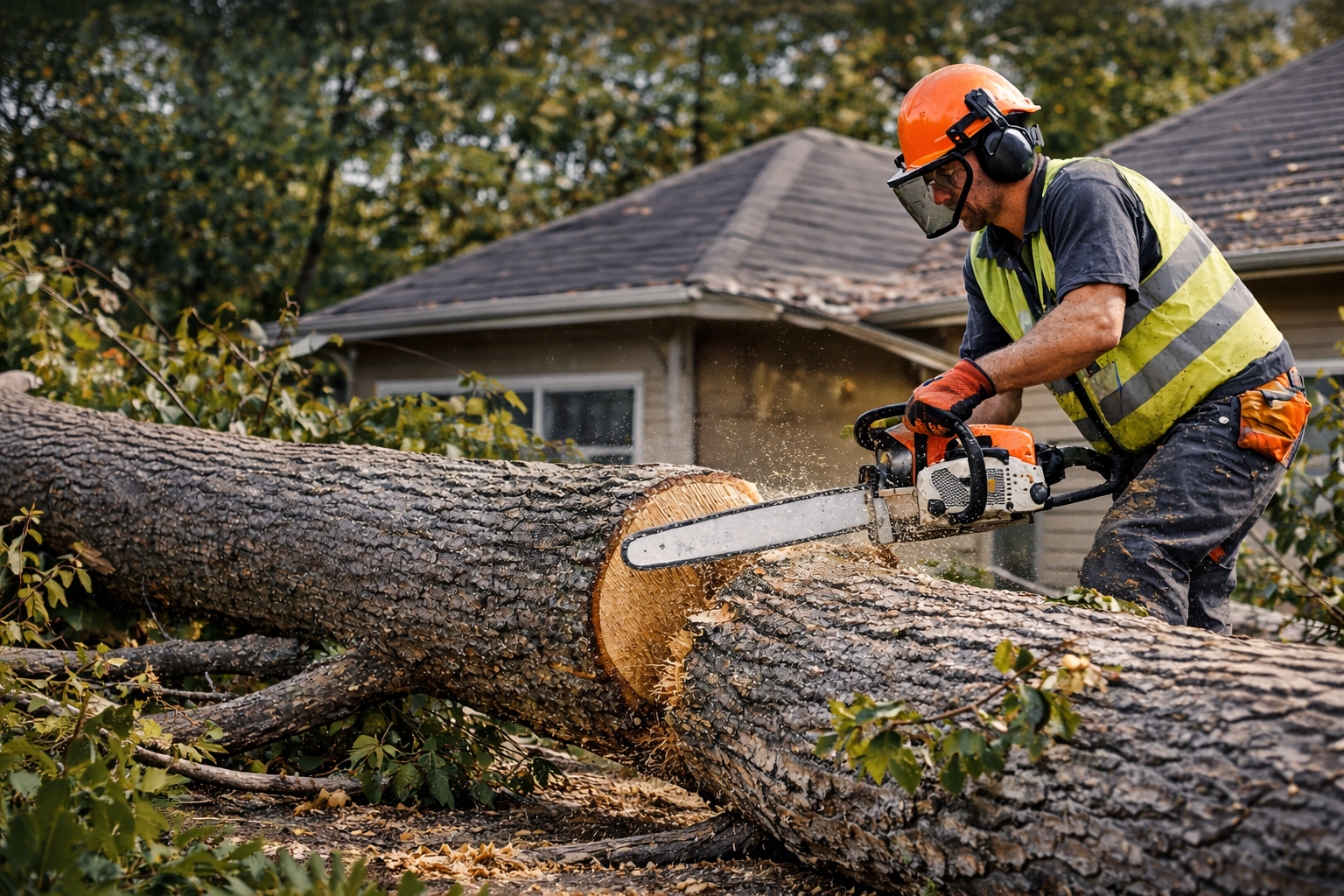
Stump Grinding in Atlanta, GA
Leftover stumps can create tripping hazards, attract pests, interfere with mowing, and make it harder to clean up a yard after tree removal. Stump grinding helps restore usable space and improve curb appeal.
Stump grinding is often the last step after tree removal, but it can also be requested later when an old stump becomes a problem for mowing, landscaping, drainage, resale prep, or everyday use of the yard.
Stump grinding is common for front yards, side yards, fence lines, wooded lot edges, and areas where a previous tree removal left the stump behind.
If the tree is still standing or recently fell, start here:
Emergency ServiceLarger stumps or species with heavy root flare can require more grinding time and produce more debris.
Backyards, narrow gates, slopes, and tight landscaping beds can affect equipment access and setup time.
Some homeowners want the stump ground below grade for sod or planting, while others only need the visible stump removed.
It helps to confirm whether the quote includes chip removal, backfilling, and final cleanup after grinding.
Many homeowners wait until the tree is gone and then decide whether they want the stump ground for appearance, safety, or yard use.
Old stumps can make a yard feel unfinished. Grinding them can improve first impressions and make outdoor space look more usable.
If a storm damaged a tree and the trunk was removed first, stump grinding may be scheduled after the site is stabilized and cleanup is complete.
If you are comparing service options, you may also want to review our tree removal cost guide and storm damage tree removal page.
No. Stump grinding usually removes the visible stump and upper portion of the root flare, not every root across the yard.
Often yes, depending on the finish depth and whether the area is backfilled and leveled after the work is completed.
Not always. Some homeowners schedule it later, especially if they want to spread out project costs or decide how they want to use the area.
Sometimes yes. Photos of the stump, nearby obstacles, and access points can help provide a faster estimate.